Create Once, Teach Everywhere: AI Course Publishing for Publishers, Instructional Designers, and Teachers
By EduGears AI Team
If you create courses for other people's classrooms — as a publisher, an instructional designer, or a teacher building for your own school — you know the delivery tax. One customer runs Moodle, another Canvas, a third an LMS you've never heard of. Every sale spawns a conversion project; every update spawns a re-delivery project. The content is the easy part. Distribution is where course businesses go to die.
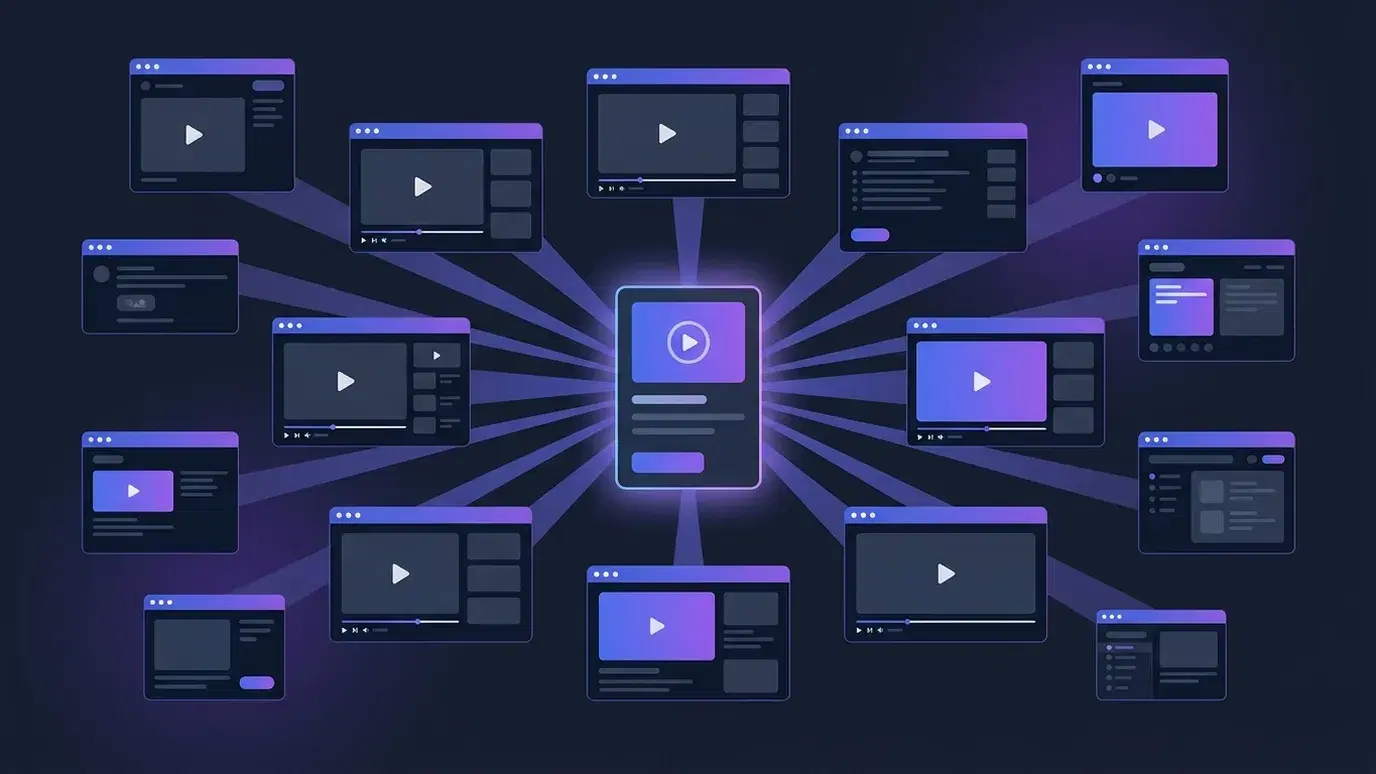
EduGears AI Studio was built to remove that tax. You author a course once — or import one you already have — and deliver it everywhere your learners are, through whichever of two paths fits each classroom: live delivery through LTI 1.3, or file export in the formats LMSs already understand.
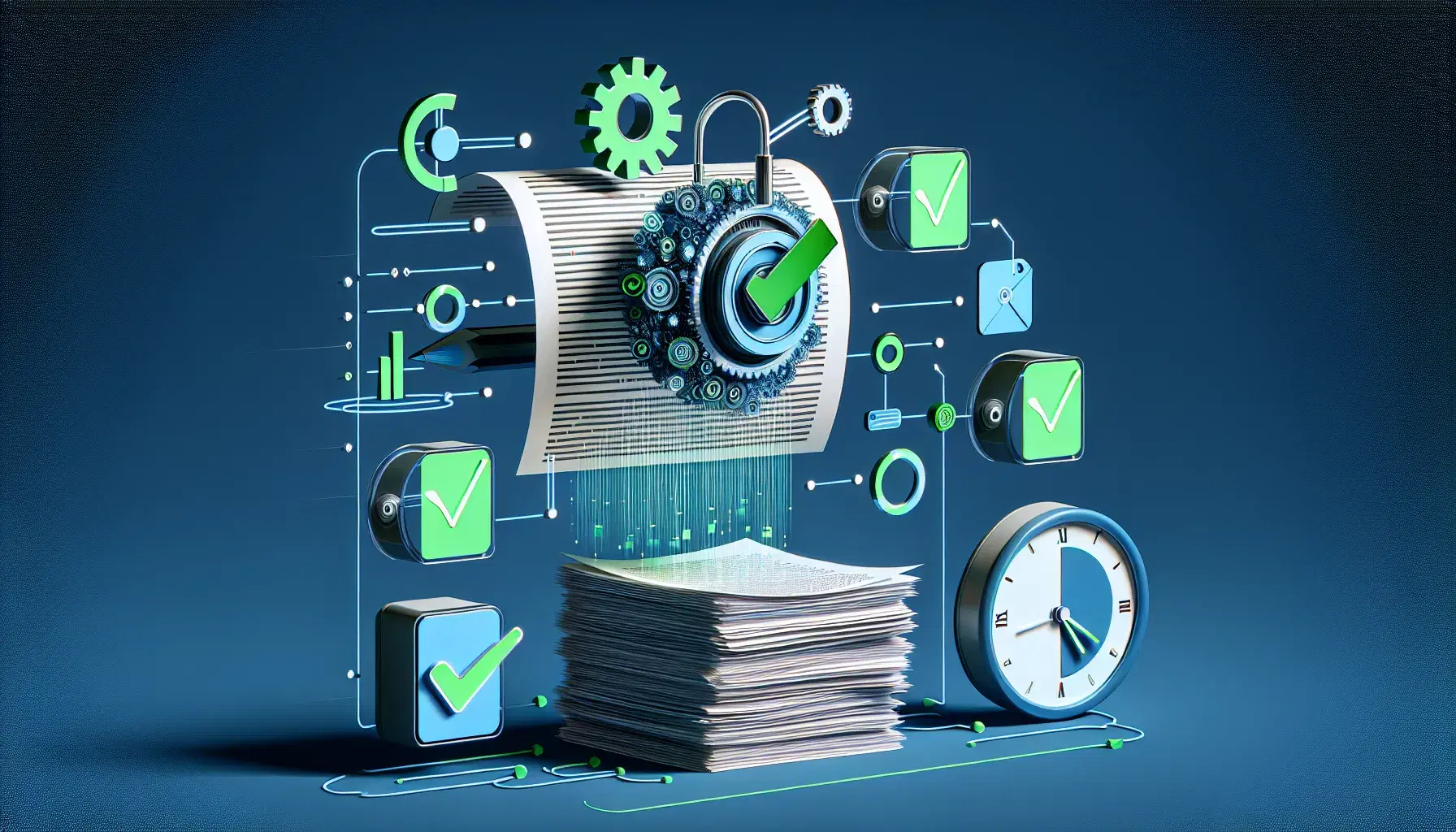
The live path works like this: publishing a course produces a single access code. An instructor — yours or your customer's — redeems that code in any LTI 1.3 LMS, and the course appears in their class, playable in place, with grades flowing back to their gradebook automatically. There is no file to send, no version to track, and crucially: when you update the course, every classroom running it gets the update live. A typo fixed once is fixed everywhere. For publishers, this changes the shape of the business — your catalog stays current after it ships, and you keep publisher-level analytics across every deployment.
The file path exists because the real world has permissions. Many teachers can't install anything in their LMS — no admin rights, no IT ticket fast enough to matter. So Studio exports every course as SCORM, as a Moodle backup file (.mbz), or as a Canvas Common Cartridge. Any teacher can download the format their LMS speaks and import it themselves, today, without asking anyone. Live delivery when you have the keys; a file when you don't.
The AI sits underneath both paths, and it's grounded in your content, not a substitute for it. Import an existing course, a manuscript, a syllabus, or a pile of PDFs, and Studio structures it into modules and lessons. From there, AI generates what's missing — slides, study guides, question banks, practice sets, assessments — anchored to your material. Instructional designers keep the craft; the AI does the first draft and the formatting drudgery.
For publishers specifically, the combination is the point: import the backlist, enhance it with AI into interactive courseware, and deliver it through codes or files without maintaining a build per platform. For teachers, the same workflow at personal scale: upgrade your own course over a weekend and bring it into Monday's class yourself.
Course creation was never the bottleneck for good educators — delivery was. Author once, enhance with AI, teach everywhere. That's the whole pitch.