Top LMS Platforms for Product Training in 2026
By EduGears AI Team
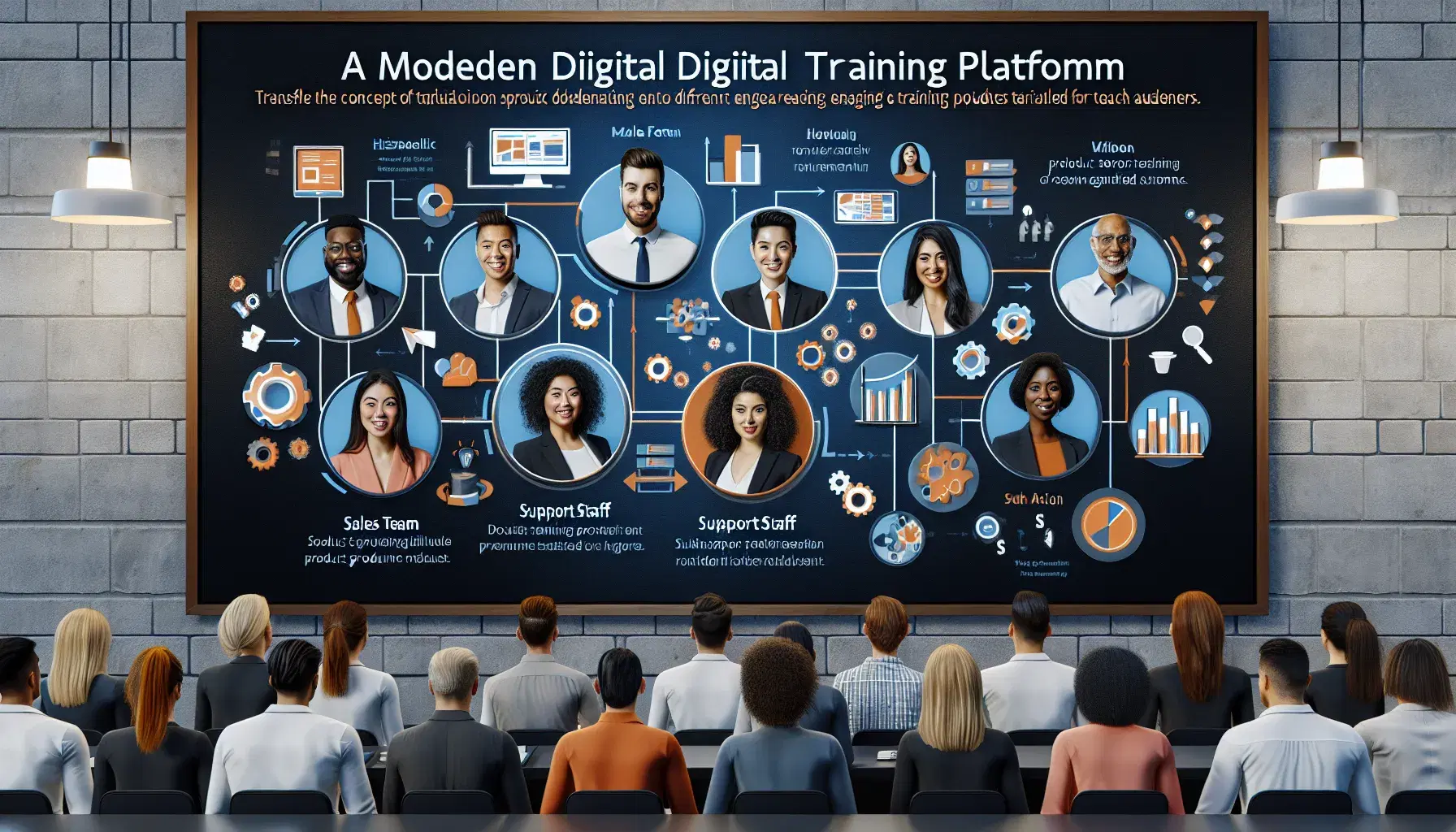
Product training is the connective tissue between what an organization builds and how effectively its people can sell, support, and use those products. Whether the audience is internal sales teams learning about a new feature release, channel partners preparing to position a product against competitors, or customers trying to maximize their investment, the quality of product training directly impacts revenue, customer satisfaction, and operational efficiency. An LMS built for product training must handle rapid content updates, multi-audience delivery, and measurable knowledge verification.
The speed of content creation and updates is the most critical factor for product training LMS selection. Products evolve continuously through feature releases, pricing changes, and competitive positioning adjustments. Training content that falls behind the product becomes a liability rather than an asset. EduGears AI addresses this challenge through AI-powered course creation that generates complete training modules from product documentation, specifications, or feature descriptions. When a product update ships, the training team can produce updated courses the same day rather than queuing work for the next content development cycle.
Multi-format content delivery accommodates different learning preferences and product training scenarios. Some product knowledge is best communicated through structured courses with lessons and assessments. Other situations call for quick-reference study guides, visual slide presentations for sales meetings, or interactive exercises that simulate real product usage. EduGears AI generates all of these formats from the same source material, ensuring consistency across every touchpoint while providing the format flexibility that different audiences need.
Assessment-driven product training ensures that learning translates into actual knowledge retention. Simply completing a course does not guarantee that a salesperson can articulate product benefits or that a customer knows how to configure a feature. AI-generated assessments at multiple difficulty levels verify understanding beyond surface-level familiarity. For product training specifically, scenario-based questions and application-focused assessments are more valuable than simple recall questions, and AI question generation can produce these at scale.
Role-specific training paths acknowledge that different audiences need different depths and angles of product knowledge. A sales team needs competitive positioning, objection handling, and value propositions. A support team needs troubleshooting workflows, configuration options, and known issue documentation. A customer needs getting-started guides, best practices, and advanced feature tutorials. EduGears AI supports these distinct paths through its learning path and program features, which organize courses into role-specific sequences with prerequisite relationships and milestone assessments.
Partner enablement through product training creates a force multiplier for organizations that sell through channels. Partners who deeply understand the product sell more effectively, provide better customer experiences, and require less direct support from the vendor. Certification programs that validate partner product knowledge create accountability and quality standards across the channel. EduGears AI supports partner training through its multi-workspace architecture, allowing organizations to maintain separate partner training environments with dedicated content, branding, and certification tracks.
Measuring product training effectiveness requires analytics that connect training activities to business outcomes. Course completion rates indicate engagement, but assessment scores reveal actual knowledge levels, and topic-level analytics identify specific product areas where knowledge gaps persist. EduGears AI provides these insights through role-based dashboards and detailed reports that can be exported and integrated with CRM or sales analytics platforms. This data-driven approach enables continuous improvement of product training programs based on evidence rather than assumptions.