AI Question Generation: A Complete Guide for Educators
By EduGears AI Team
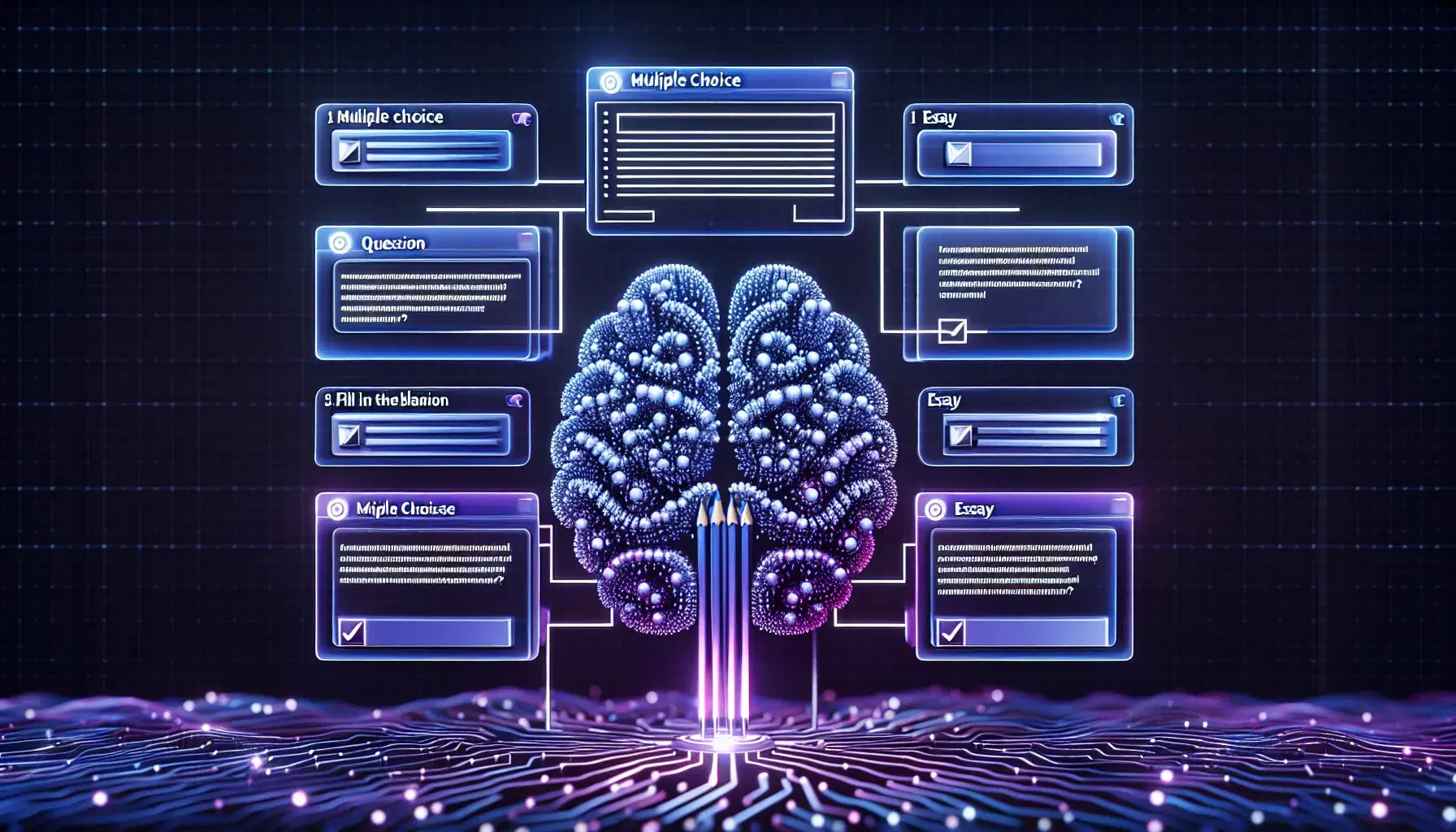
Question creation is one of the most intellectually demanding aspects of assessment design. Crafting questions that accurately measure understanding at the right difficulty level, while including plausible distractors and helpful hints, requires deep subject matter expertise and significant time investment. AI question generation technology automates this process by analyzing source content and producing well-structured questions across multiple formats and difficulty levels, complete with solutions and explanatory hints.
The AI question generation process in EduGears AI supports multiple input methods to accommodate different educator workflows. Teachers can generate questions from a topic description, a paragraph of text, or an uploaded file such as a textbook chapter or lecture notes. The system analyzes the source material and produces questions that target key concepts, varying the question type and difficulty to create a balanced assessment. Question types include multiple choice, true/false, short answer, essay, matching, fill-in-the-blank, and more, giving educators flexibility in how they assess student understanding.
Difficulty calibration is a critical feature of effective question generation. EduGears AI allows educators to specify the desired difficulty distribution when generating questions, ensuring that assessments include an appropriate mix of recall, application, and analysis questions. Each generated question comes with an instant solution and hints that can be shown to students during practice mode. This combination of questions and explanatory feedback creates a self-contained study resource that supports independent learning.
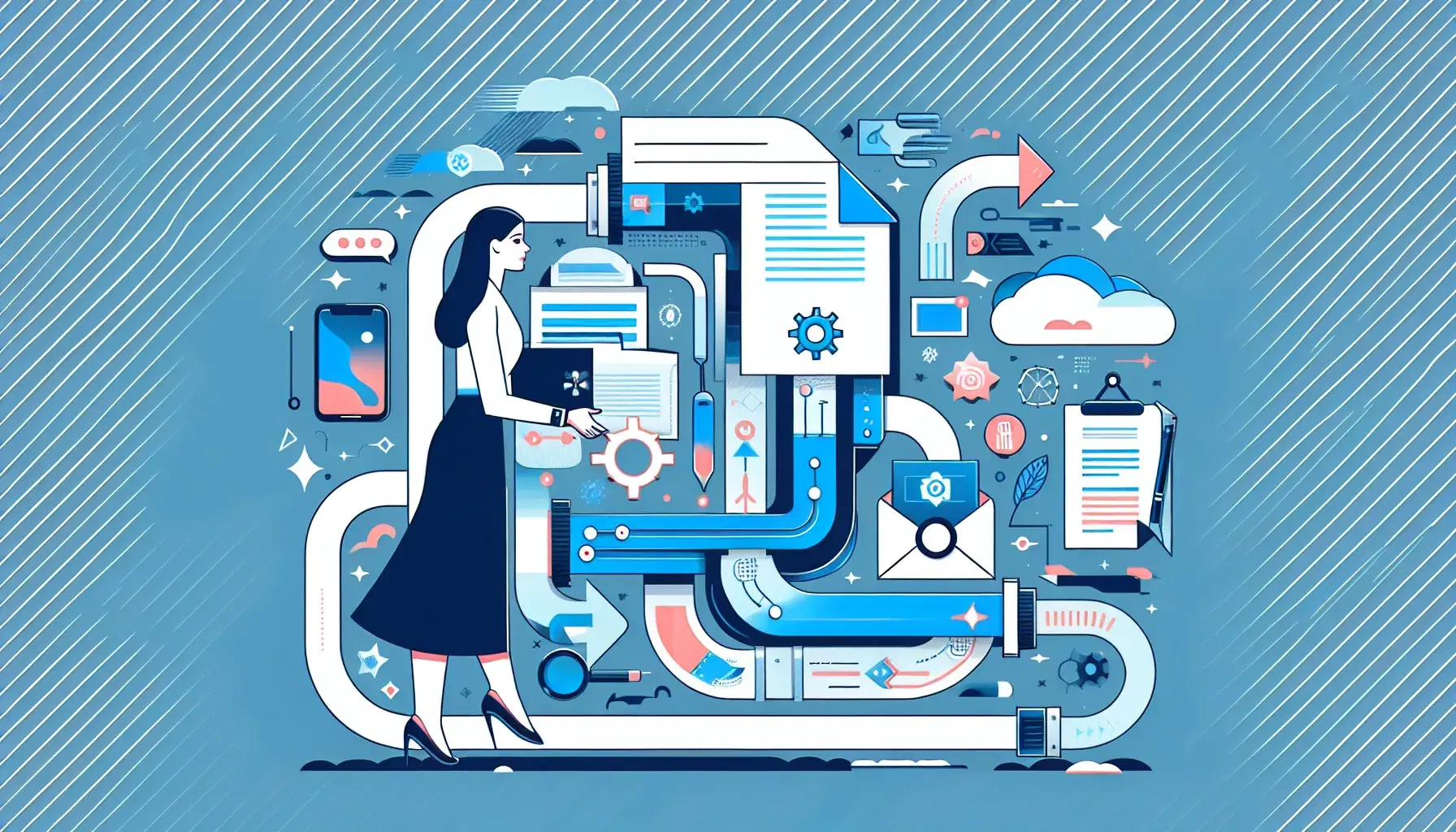
Question migration is an equally important capability for educators who have existing question banks in PDF or Word document formats. The MigQAI feature converts these documents into platform-native questions, automatically extracting the question text, answer options, and generating solutions and hints where they do not exist in the source material. This means that years of accumulated test materials can be digitized and enhanced with AI-generated supplementary content in a single operation.
Importing from external platforms like Quizlet is also supported, allowing educators to bring in flashcard sets and question collections from tools they may already be using. The import process preserves the original content while formatting it for use within the EduGears AI assessment and practice frameworks. Once imported, questions can be organized into exercises, assigned to topics, and included in formal assessments alongside AI-generated content.
The organizational structure for questions in EduGears AI uses a topic hierarchy that supports both broad categorization and granular specificity. Questions belong to topics, and topics can be nested within courses, lessons, and exercise sets. Educators can search across their entire question library using AI-powered filters that include question type, difficulty, topic, and more. Frequently used search configurations can be saved as templates for quick reuse, streamlining the process of assembling assessments from existing question banks.
For schools and training organizations that need to produce assessments regularly, AI question generation represents a fundamental shift in efficiency. A comprehensive midterm exam that might take an instructor several hours to compose from scratch can be generated, reviewed, and refined in thirty minutes or less. The consistency of AI-generated questions also helps address fairness concerns, as the same quality standards are applied uniformly across all generated content. Educators who adopt these tools consistently report that they are able to create more frequent, higher-quality assessments while spending less total time on the process.
Best practices for using AI question generation include reviewing all generated content before deployment, adjusting difficulty parameters based on student performance data, and building up a curated question bank over time by saving the best AI-generated questions alongside manually created ones. The combination of AI efficiency and human judgment produces assessment materials that are both comprehensive and pedagogically sound.