10 Ways Artificial Intelligence is Revolutionizing Education
By EduGears AI Team
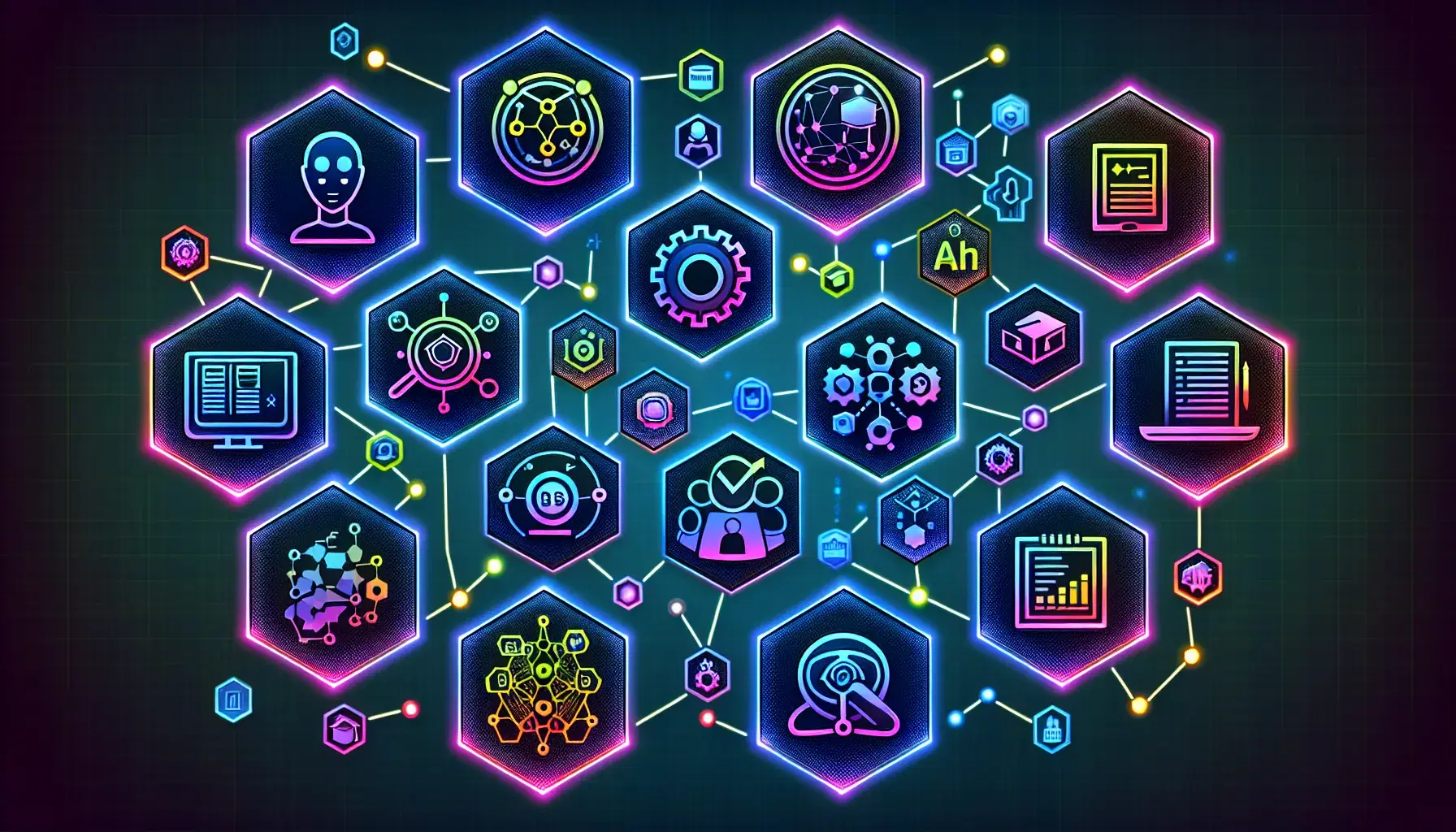
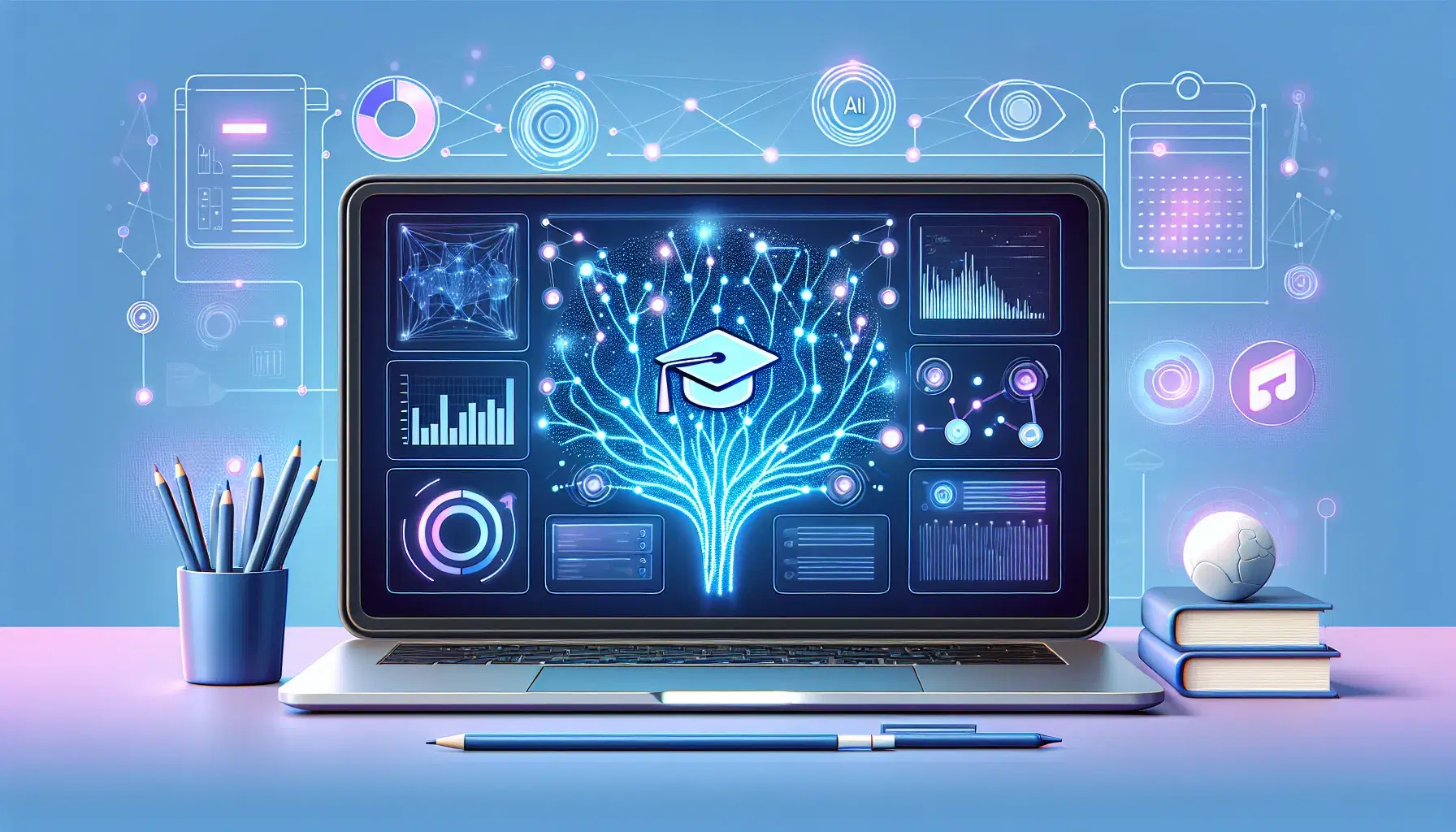
Artificial intelligence is not arriving in education as a single disruptive event but as a series of targeted improvements that collectively transform the entire teaching and learning experience. Each application of AI addresses a specific pain point that educators and learners have struggled with for years, and together they create an educational environment that is more personalized, efficient, and accessible than anything previously possible. Here are ten specific ways AI is revolutionizing education today.
First, AI-powered course creation from syllabi eliminates the content development bottleneck. Educators upload a syllabus, and the system generates complete course structures with lessons, slides, study guides, exercises, and assessments. This capability alone saves hundreds of hours per course and enables institutions to launch new programs dramatically faster. Second, AI lesson planning generates structured plans with learning objectives, differentiation strategies, and assessment rubrics, providing educators with a comprehensive teaching blueprint that they can customize to their specific classroom needs.
Third, AI slide generation transforms any text or uploaded file into polished presentation materials. Educators no longer need graphic design skills or hours of formatting time to produce professional-quality slides. Fourth, AI study guide generation creates illustrated reference materials that students can use for independent review, ensuring that learning resources extend beyond classroom time and are available whenever students need them.
Fifth, AI question generation produces diverse question sets across multiple formats and difficulty levels, complete with solutions and hints. This capability makes it practical to create frequent formative assessments, which research consistently identifies as one of the most effective practices for improving learning outcomes. Sixth, AI-powered grading evaluates submissions instantly with detailed, personalized feedback, returning results to students within seconds rather than days and freeing educators from the most time-consuming administrative task they face.
Seventh, AI tutoring provides every learner with an intelligent, context-aware assistant that adapts to their level of understanding and is available around the clock through both text and voice interaction. This democratizes access to individualized support that was previously available only through expensive private tutoring. Eighth, AI-powered search with smart filters enables educators and learners to find exactly the content they need across large libraries, with reusable search templates and history for efficient navigation.
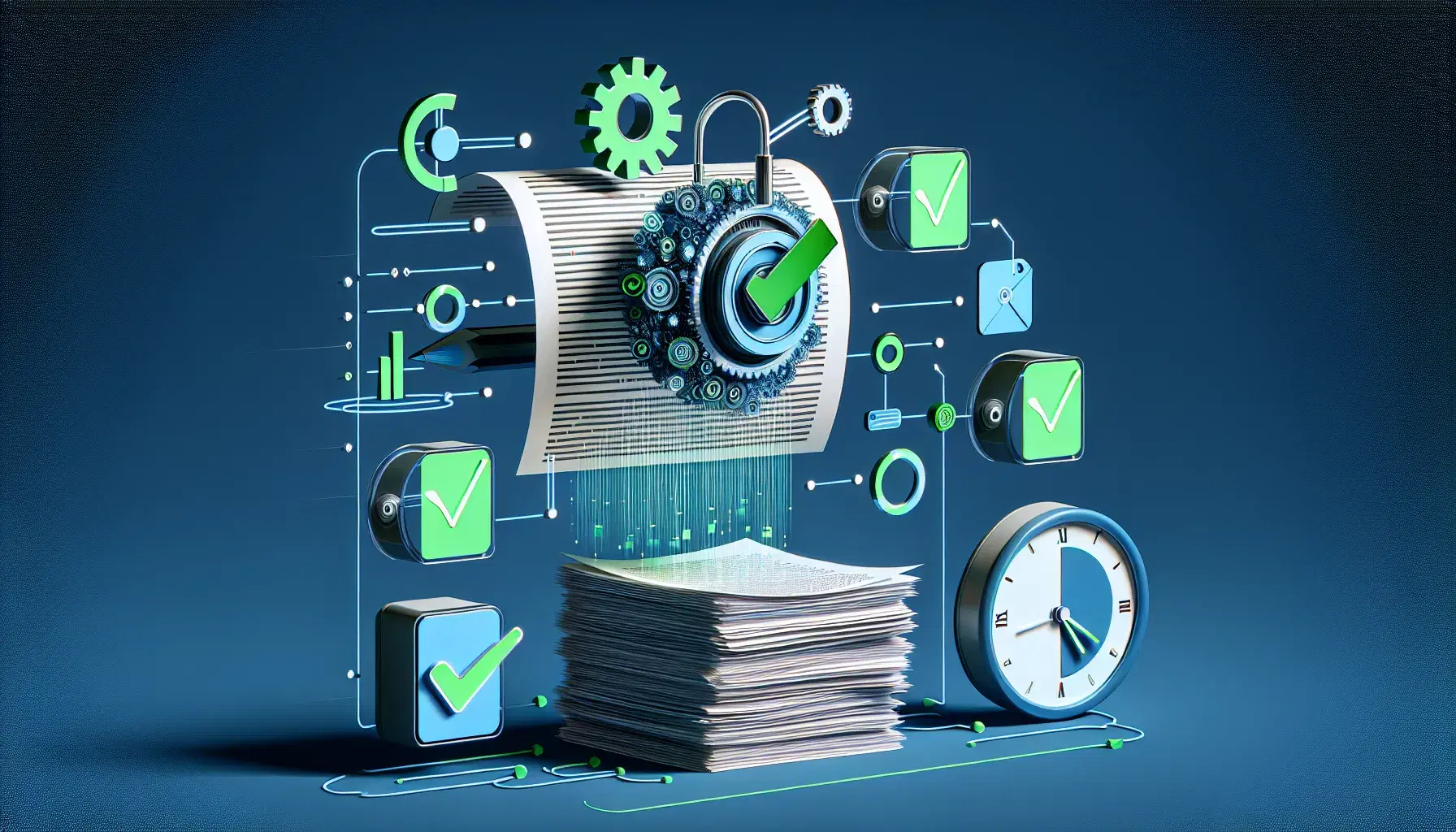
Ninth, automated certificate generation with unique verification IDs streamlines the credentialing process, automatically issuing professional certificates when learners meet completion criteria. This is particularly valuable for compliance-driven training programs where certification tracking and audit readiness are essential requirements. Tenth, AI-enhanced analytics provide role-based dashboards with real-time performance data, enabling data-driven decisions at every level from individual learner progress to institution-wide effectiveness metrics.
The common thread across all ten of these applications is that AI handles the repetitive, time-intensive tasks that have historically limited what educators and institutions can accomplish. By automating content creation, assessment, grading, tutoring, and administrative workflows, AI frees human educators to focus on the irreplaceable aspects of their role: inspiring curiosity, facilitating meaningful discussions, mentoring individuals, and creating the interpersonal connections that make education transformative. Platforms like EduGears AI that integrate all ten capabilities into a unified system provide the most comprehensive realization of this vision.
Looking ahead, the integration of AI into education will only deepen. Advances in natural language processing, multimodal interaction, and adaptive learning algorithms will make AI tools more capable and more attuned to individual learning needs. Institutions that adopt AI-powered educational platforms now are building the foundation for continuous improvement, positioning themselves to offer the best possible learning experiences as the technology matures. The revolution is not on the horizon. It is already underway.